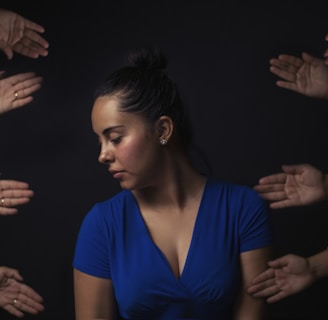



The Hard Truth: Why Refugees and Migrants in Germany Often Don’t Feel Welcome and How It Affects Their Integration
An Unfiltered Look at Integration in Germany This article takes a clear-eyed view of the realities of integration in Germany, offering a psychological and social analysis of both refugees and the host society.
INTERCULTURAL UNDERSTANDING & INTEGRATION
Salah Abdeldayem
10/5/2025


Integration of Refugees and Migrants in Germany: Reality and Psychological Challenges
Despite official policies promoting integration, many refugees and migrants in Germany do not feel fully welcomed. This subtle or open social rejection directly affects their psychological well-being, economic participation, and sense of belonging. Discrimination at work, cultural isolation, and social prejudice are among the recurring barriers.
The Gap Between Expectation and Reality
Many refugees arrive in Germany with high hopes — for dignity, career opportunities, and inclusion. In practice, they face bureaucracy, language barriers, and limited job access. The result is frustration and dependency on social support, which parts of society misinterpret as unwillingness to work. In truth, most want to contribute but encounter systemic obstacles such as unrecognized qualifications, limited networks, and bias.
Feeling unwelcome breeds self-doubt and inferiority. Research in social psychology confirms that people need supportive environments to unlock their potential. Negative perceptions and mistrust weaken motivation, integration, and professional growth.
Common stereotypes. such as “refugees don’t want to work” or “they exploit the welfare system” ignore the reality: temporary assistance is often essential to rebuild stability and autonomy. Integration requires time, understanding, and emotional recovery.
Challenges Within German Society
The receiving society faces its own psychological struggles: fear of economic instability, cultural loss, and competition for resources. These anxieties trigger defensive reactions, symbolic threats, and social comparisons that deepen prejudice. The perception that refugees receive unfair advantages often fuels resentment, though it is rarely based on facts.
The Role of Coaching
Coaching plays a key role in bridging these gaps:
Empowering confidence: Helps highly qualified migrants recognize their skills, set realistic goals, and rebuild professional identity.
Enhancing intercultural competence: Offers strategies for adaptation, communication, and dealing with trauma.
Activating career potential: Supports CV development, job interviews, and navigation of the German labor market.
Building resilience: Introduces practical tools for stress management, emotional balance, and positive thinking.
Success Stories from Germany
Programs that combine professional training with psychological and social coaching show measurable results: participants find employment faster, communicate better, and integrate more sustainably.
Coaching thus acts as a bridge between the potential of refugees and the expectations of German society. It promotes self-awareness, emotional stability, and cultural understanding the real foundations of successful integration.
Sustainable integration demands empathy, openness, and long-term commitment from both sides. Coaching is not a luxury — it is a strategic investment in human potential and social harmony.